We kept the LCBO out.
It reached 11 million people.
The LCBO had years of genuine impact to show. We kept them out of their own film. The campaign reached 11 million Ontarians. Here's why that decision made all the difference.
The brief arrived in June 2021. The LCBO needed an impact video for their Spirit of Sustainability platform. Years of real work: responsible retail programmes, community fundraising across Ontario, environmental commitments they'd actually kept. Over $12 million raised for CEE Toronto, Women's College Hospital, and Spirit of Inclusivity Initiative.
They had the story. They just needed someone to tell it correctly.
I've been in enough of these conversations to know what usually happens next. The communications team wants the right people on camera. Legal wants the language checked. The executive wants to feel represented. What comes out the other end is a film that looks expensive and says nothing. Polished, approved, forgettable.
We did something different.

Dwayne Holness directing on set during the LCBO Spirit of Sustainability production
The instinct that kills institutional content
Most brands treat impact content like a compliance exercise. They document what happened, dress it in high production value, and call it storytelling.
It's not. It's a press release with a colour grade.
The problem isn't effort or budget. Most institutions genuinely care about the work they're doing. The problem is who they make the main character. They lead with the institution: the logo, the executive, the approved statement. They assume that credibility will carry the audience forward.
It doesn't. Credibility earns attention. It doesn't hold it.
Crown corporations and enterprise brands carry an inherent weight. People already know who the LCBO is. What they don't automatically feel is warmth. And warmth is what makes someone stop scrolling, watch the whole thing, and actually believe what they're seeing.
Where the story actually lived
The LCBO's Spirit of Sustainability platform had something most organizations don't: authentic third-party proof. Their charity partners, their supplier relationships, the communities they'd been actively funding for years. These weren't marketing claims. They were verifiable facts, told by people who had nothing to gain from flattering the brand.
So that's where we went.
Three shoot days. Three partner locations across Ontario. No boardrooms, no brand signage, no executives in frame unless the story required it. We built every shot around the people connected to the platform, not the people who ran it.
The most effective impact content leads with the people who are affected, not the organization responsible.
That structural decision changed what the whole film felt like. Because the LCBO's values stopped being stated and started being demonstrated. There's a difference between an institution telling you they care about communities and watching the communities themselves show you what the support actually looks like. The second one lands. The first one doesn't.
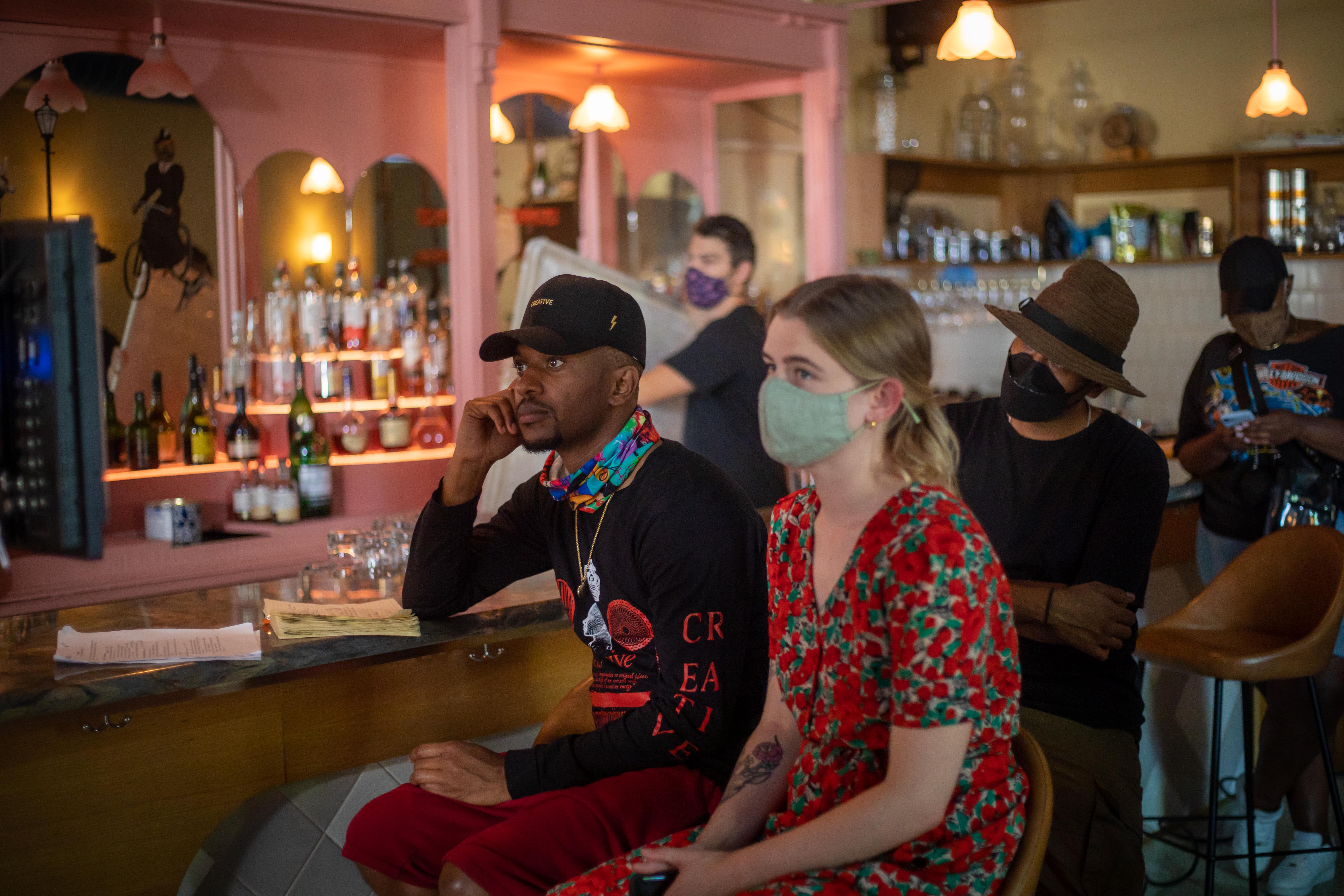
Corex Creative team reviewing footage at a partner location during the LCBO Spirit of Sustainability shoot
What the numbers actually said
The campaign reached over 11.2 million Ontarians. Online reach hit 1.3 million. Seventy-three percent of customers said they believe the LCBO supports the people and economy of Ontario. The platform contributed to a 7.7% year-over-year decrease in responsible service challenges across their locations.
Those aren't numbers that come from a well-produced corporate video. They come from choosing the right character for the story.
The LCBO didn't go from invisible to trusted because they increased their production budget. They got there because the content was built around the people whose trust they were trying to earn, not around the brand doing the asking.

Camera crew on set during the LCBO Spirit of Sustainability production
The question I ask every client now
Before we touch a camera or write a script, I ask: who is the main character of this story? If the answer is your organization, your leadership team, or your product, we need to have a longer conversation.
The brands that produce content worth watching understand they're not the hero of their own story. Their customer is. Their community partner is. The person whose life actually changed because of something they built, that's who belongs in front of the lens.
Your impact story isn't the problem. Your frame is.
Figure out who the story is actually about. Then go film that person.
Written by
Dwayne Holness
Filmmaker, brand strategist, and creative director. Founder of Corex Creative, a Toronto-based creative media agency building cinematic brand stories for founders and thought leaders.
Share this thought
Stay in the loop
Frameworks, not fluff.
I write about building creative infrastructure, thought leadership systems, and the real work behind brand authority. No spam, no filler.
← Previous Thought
$153K in 90 Days, and $140K of It Came in the Last 30Next Thought →
What I Keep Seeing in People Who Actually Win