Busy But Broke: The Real Path to Runway
Most entrepreneurs spend years busy but broke. Here's the three-stage arc that actually moves you from rolling a ball up a hill to building real runway, and why three months is the line between operator and owner.
Most entrepreneurs I know have looked at their bank account at the end of a busy month and felt the same quiet panic. The portfolio is growing. The work is good. People are noticing. But the money still goes straight to bills the moment it lands.
That was my first five years.
Rolling a ball up a hill. The higher I rolled it, the heavier it got. No matter how busy I was, no matter how many projects came in, the math never broke even.
The hump is not a lack of work
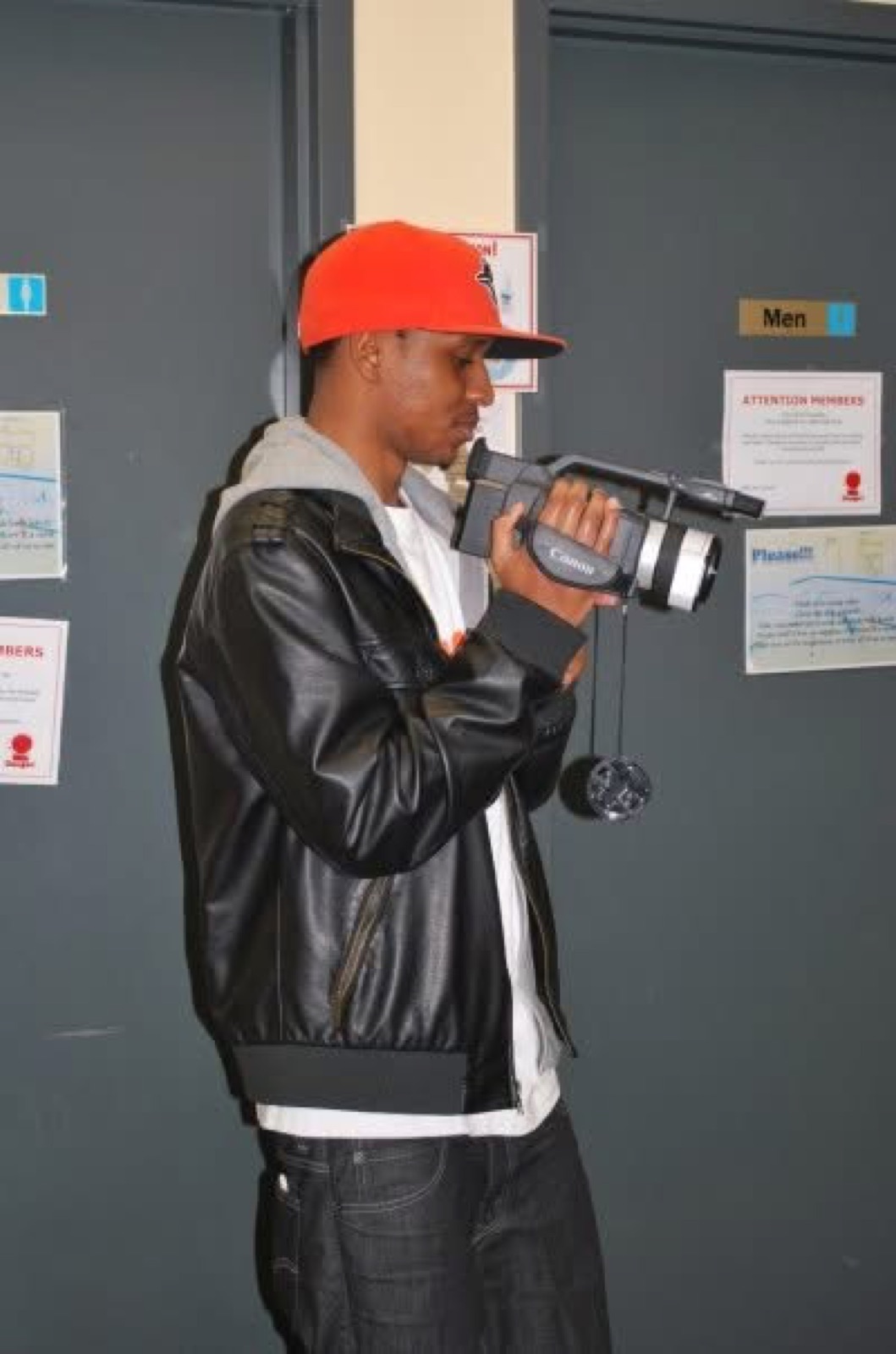
Early days. A hooded jacket, a hat, and a Canon camcorder I refused to put down.
The mistake is thinking the hump is a hustle problem. It isn't. It's a value problem.
I was busy. I had work. I had a portfolio that looked good on paper. What I didn't have was the language to position myself, the confidence to price myself, or the structure to handle the business behind the work. So every job paid me, but no job built me.
Once I started fixing those things, the numbers started to move. How I pitched. How I priced. How I showed up online. None of it was dramatic on its own. Together, it was enough to crack the surface.
The first time I felt runway

Setting up to shoot interviews at a conference with a small team. The first jobs that started to feel like real runway.
The first time I tasted it was a single project that paid enough to wipe out my bills and leave me with two weeks of breathing room.
Two weeks. That was it. And it felt like air.
But I didn't know yet that runway has gravity. I burned through those two weeks waiting for the next thing, and when it didn't come fast enough, I slid right back down the hill.
The difference was that now I knew what the top felt like. I had been there. I knew the hill could be climbed.
What runway actually buys you

Pro gear, real budgets, the right rooms. Three months of runway and the work changes shape.
The next time I climbed, I made it to a one-month runway. And one month is where the real work starts.
A one-month runway gives you the first thing you've never had: time. Time to fix your invoicing. Time to rewrite your proposals. Time to look at your business and notice the bad habits you couldn't see when you were just trying to survive.
One month became two. Two became three. And three months is the threshold where everything changes.
Three-month runway is the line between operator and owner. Below it, you're trying to pay rent. Above it, you start thinking like a founder.
At three months I started networking. Creating because I wanted to, not because I needed to. Saying no to work that didn't fit. At six months I started studying investing. Stocks, real estate, anything that would let my money work without me. At a year, I had room to think years out instead of weeks out.
The first asset and the multiplier

Dinner with my mother. The first house I ever bought wasn't for me, and it's still the smartest move I've made.
My first real investment was buying my mother a house. It was something I had always wanted to do. It also happened to be one of the best decisions I ever made for the business, because that house quietly appreciated by half a million dollars while I went on building Corex.
That equity became more runway. More runway became more investments. I started a stock portfolio, a crypto portfolio, a real estate portfolio. Each one a different kind of runway behind the same plane.
And what I learned is that this is the actual game. Not getting busy. Not getting popular. Building enough runway behind you that you can finally take off.
Working on the business, not in it
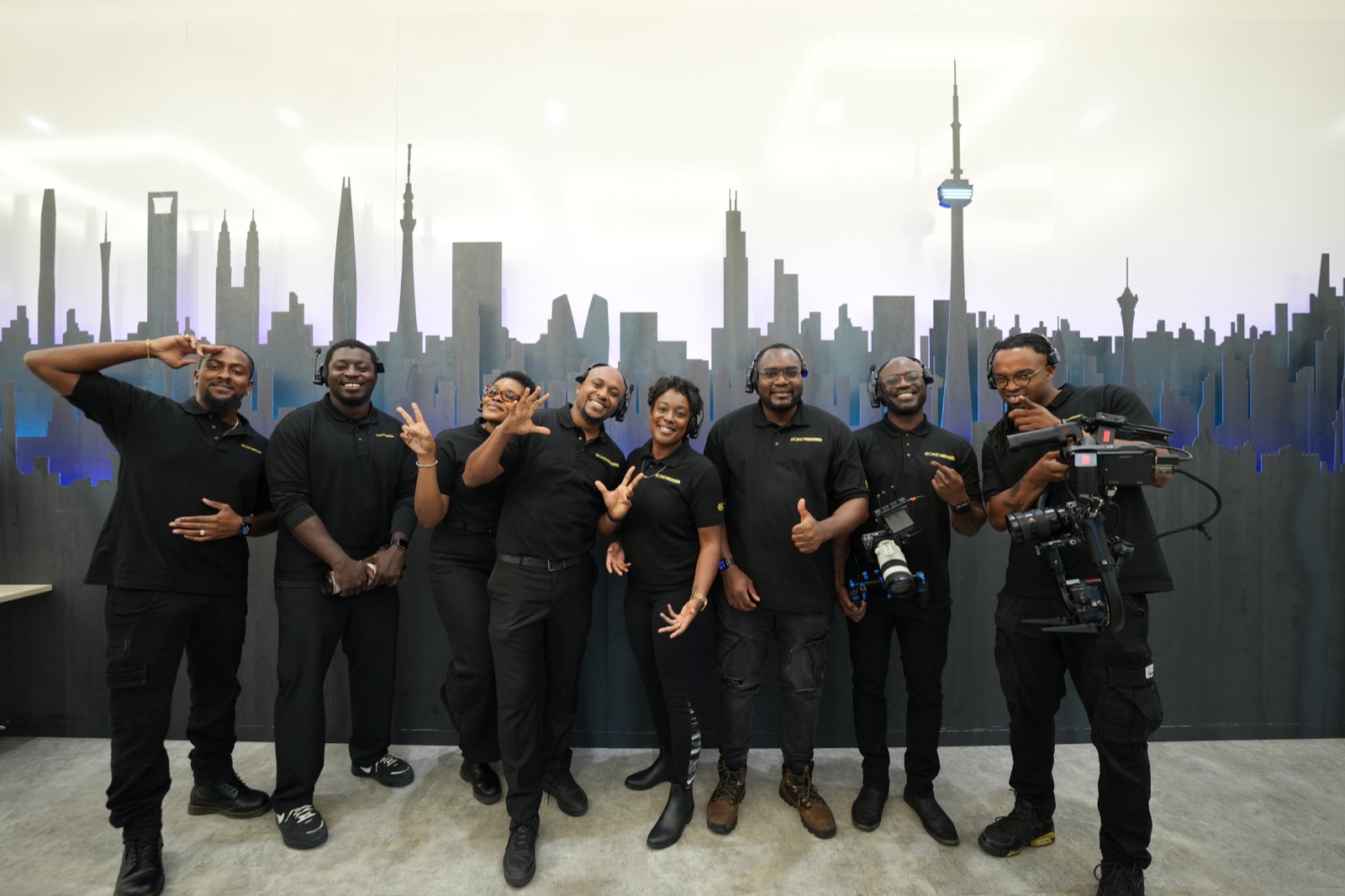
The Corex team. A version of the business that runs because of the people in it, not because of me.
The version of me that was rolling the ball up the hill couldn't see this. He was too close to the ground. The version of me with runway can step back, build systems, bring in other creatives, mentor people who are still on the climb. The work has the same name on it but it's a completely different machine.
That's what runway gives an entrepreneur. Not money. Perspective.
You stop reacting. You start designing. You stop chasing every job that comes through the inbox. You start building the kind of business that makes the right ones come find you.
If you're still in the busy-but-broke phase, the only goal that matters right now is the hump. Don't worry about scaling, don't worry about the empire, don't worry about the portfolio of portfolios. Get to two weeks. Then one month. Then three.
Every month you add to your runway is a month of clarity you've never had before.
And eventually, with enough runway behind you, the plane lifts. Not because you tried harder. Because you finally had room to take off.
Written by
Dwayne Holness
Filmmaker, brand strategist, and creative director. Founder of Corex Creative, a Toronto-based creative media agency building cinematic brand stories for founders and thought leaders.
Share this thought
Stay in the loop
Frameworks, not fluff.
I write about building creative infrastructure, thought leadership systems, and the real work behind brand authority. No spam, no filler.
← Previous Thought
How to Kill a SnakeNext Thought →
The 9-to-5 is the Riskiest Bet You Can Make